
Machine Guarding Applications
 Request a Quote
One shop, two worlds
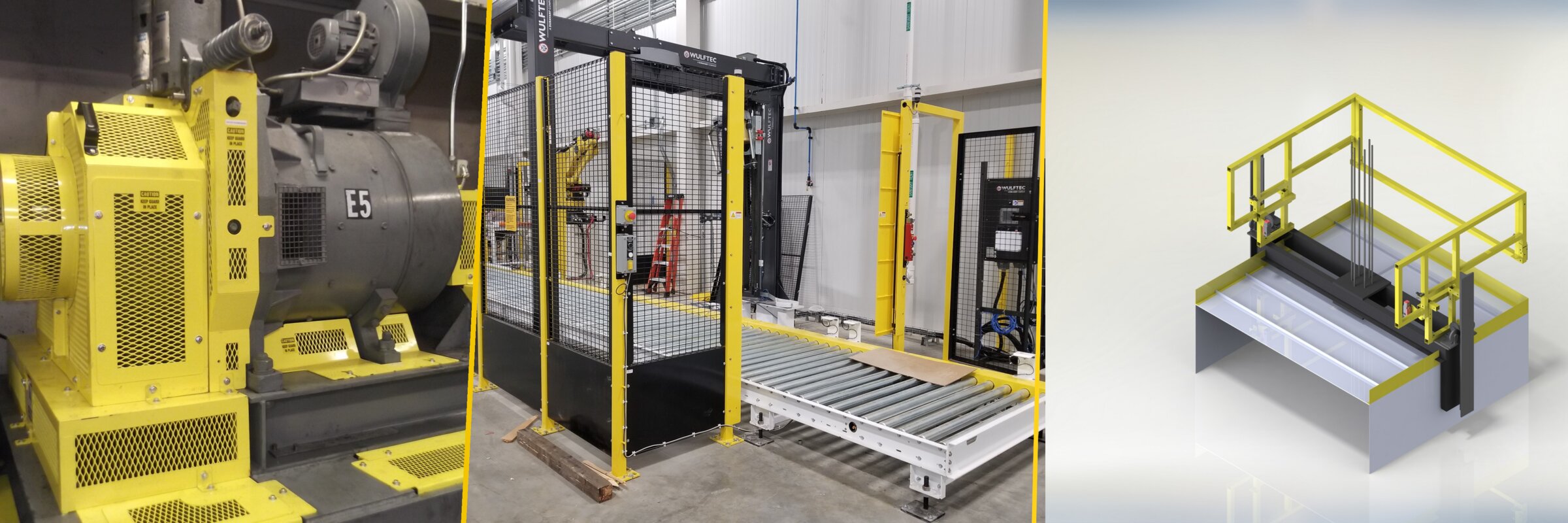
Machine guarding (also called barrier guarding, or physical barriers) is required wherever workers share space with moving equipment, in every US state and every Canadian province. The requirements come from the same family of rules everywhere: OSHA 29 CFR 1910.212 and ANSI B11.19 in the United States, and CSA Z432 with the provincial occupational health and safety regulations in Canada. What changes from application to application is everything else: the hazards, the access requirements, the standards layered on top, and what the guard must never interfere with.
MRG has fabricated guarding for both of the hard cases for over a decade. In elevator machine rooms, the elevator safety code adds its own regulator and its own clearance rules on top of the machine-guarding law. On industrial equipment, production schedules, maintenance access, and mixed pedestrian traffic decide whether guarding survives contact with reality. The engineering discipline is the same in both: survey first, guarding engineered to protect workers from the hazards present, drawings before fabrication, and designed never to impair inspection, lubrication, or service access.
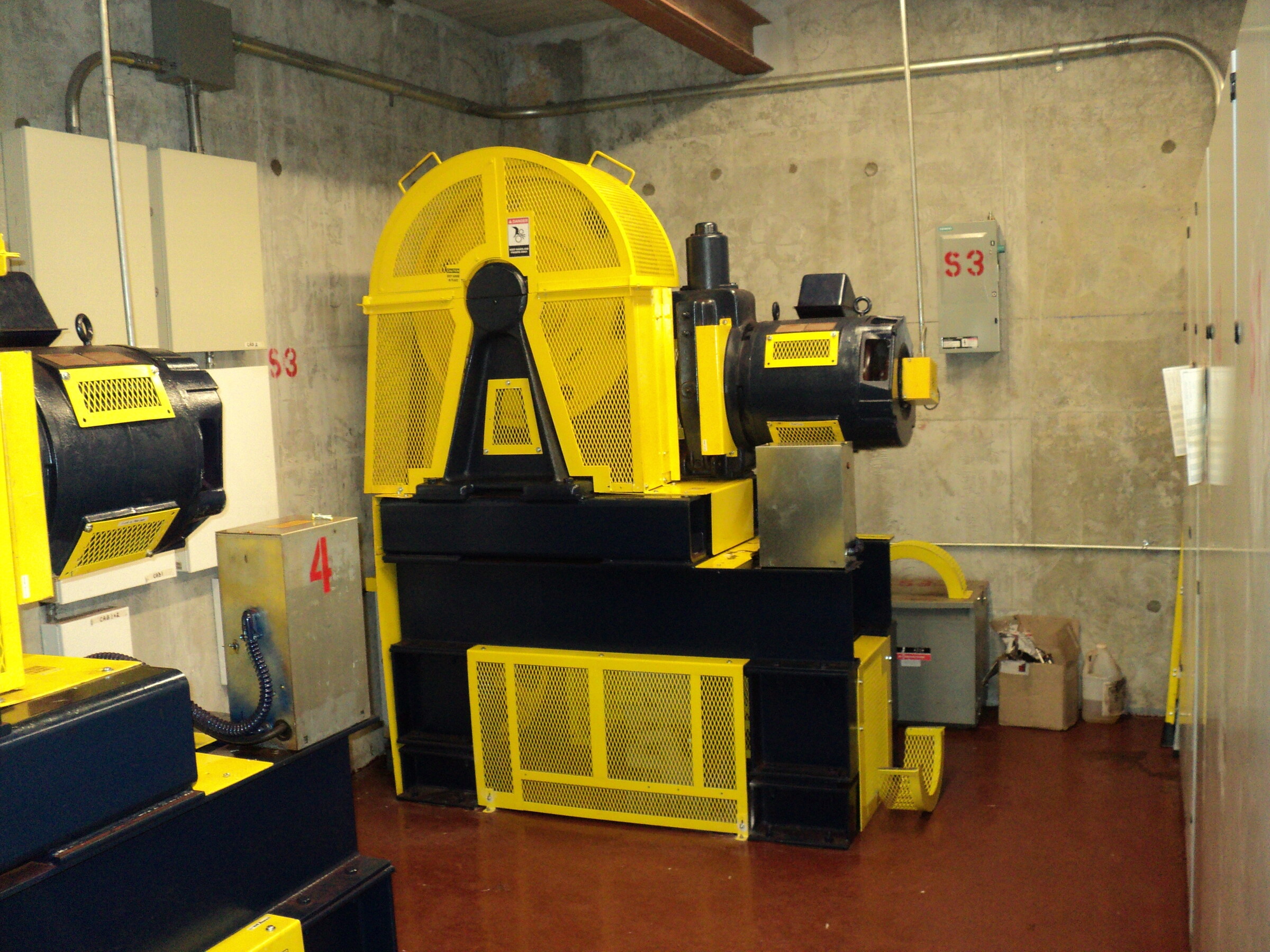
Elevator Machine Rooms
The flagship guide.
Required by law in every US state and Canadian province, enforced by two separate regulators, and specified by neither. Our working reference covers the hazards, the current code landscape in both countries, and component-by-component guarding methods for drive machines, brakes, governors, sheaves, controllers, and hydraulic units. It is the modern successor to the 2009 industry best-practices guideline hosted on this site since publication.
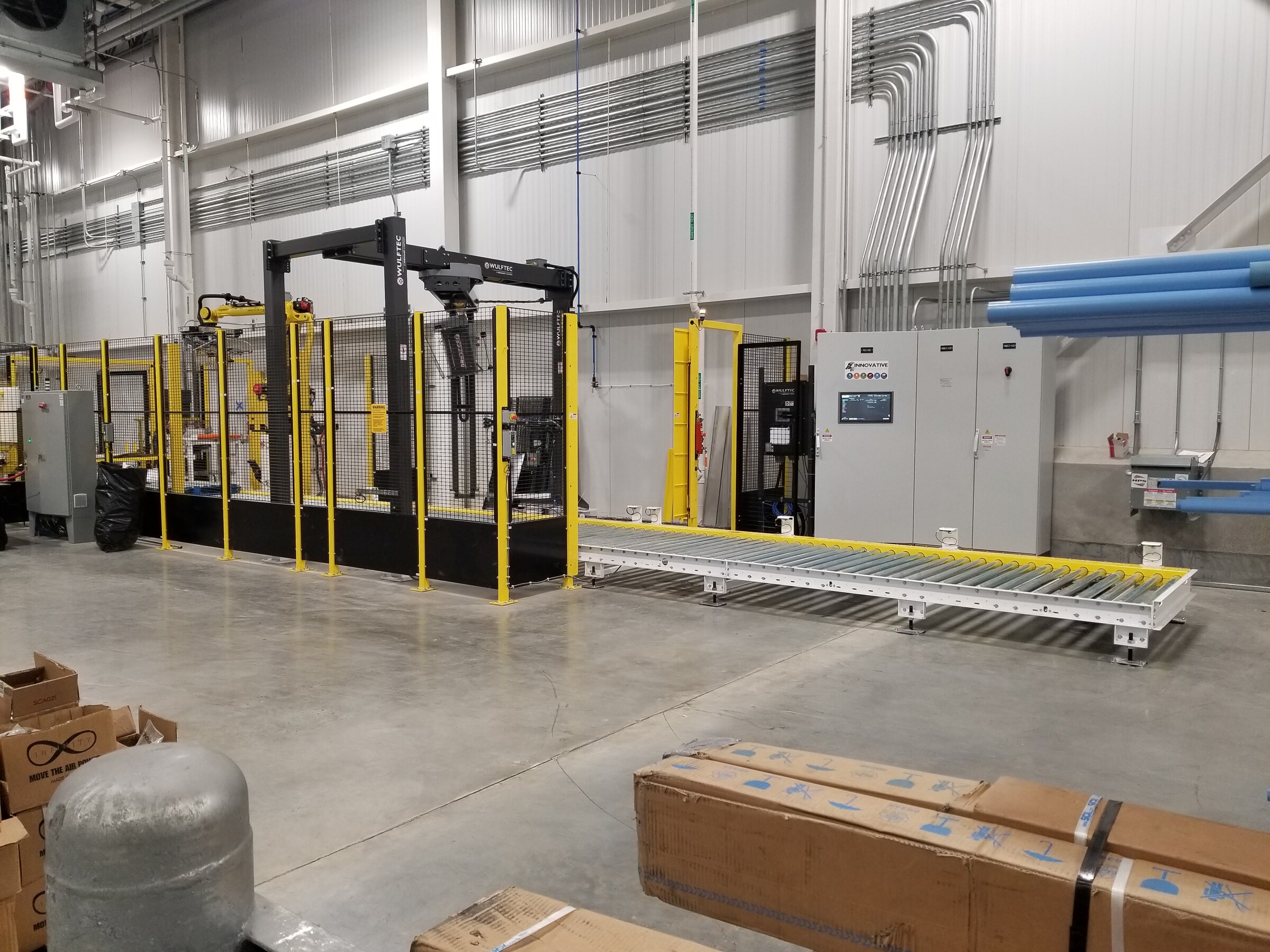
Industrial Equipment, Conveyors & Packaging Lines
In-running nip points at conveyor drives, power transmission components on production equipment, and point-of-operation hazards on processing machinery, with a workforce that has to clear jams, change product, and service it all daily. Perimeter and component guarding for plant equipment, engineered around how the line actually runs.
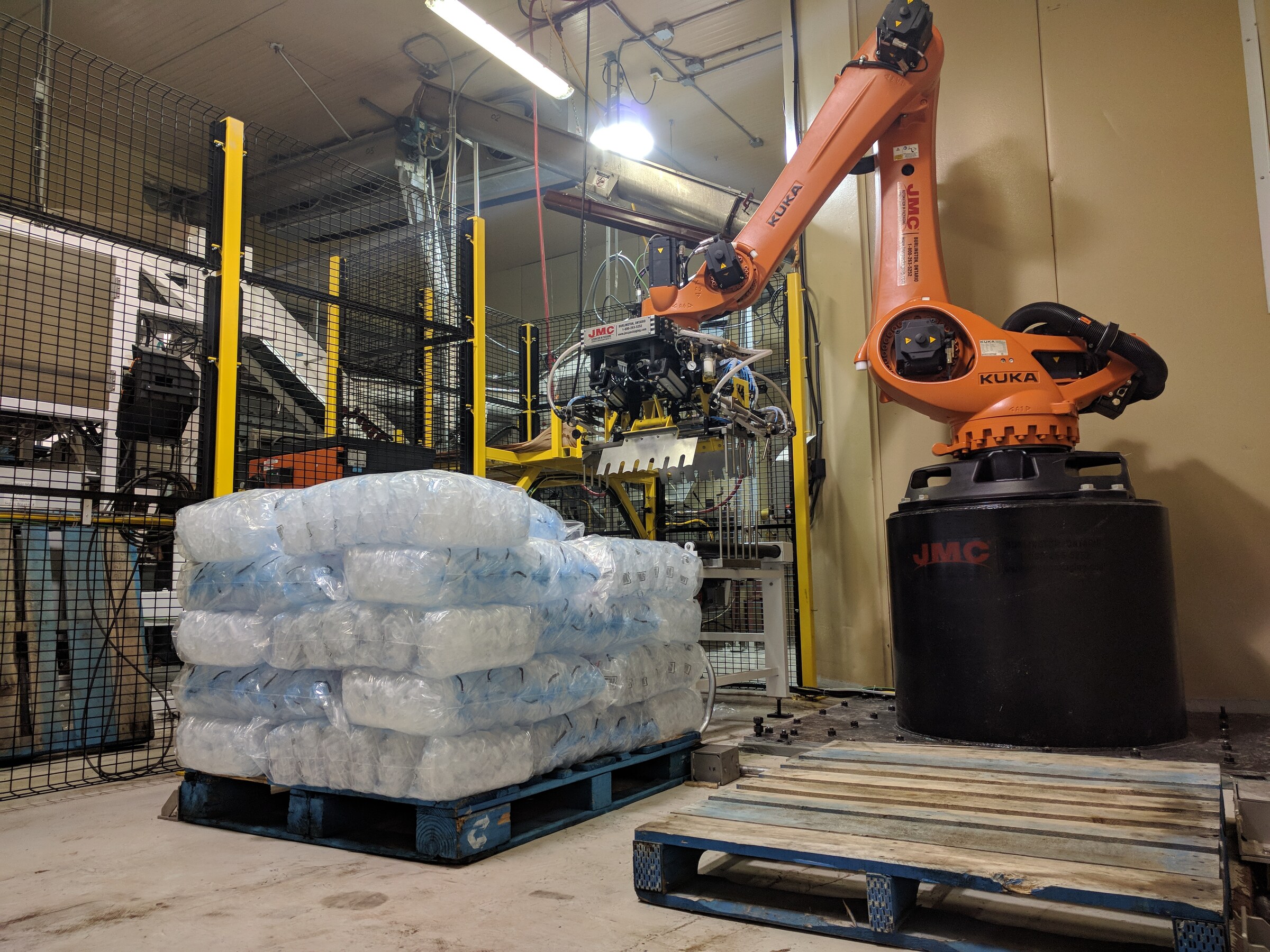
Robotic Cells
Perimeter guarding for industrial robot work envelopes, with fencing sized to safety distances and access engineered to the cell’s operating modes.
Don’t see your application?
Most of what we build is custom, which is the point. If your equipment doesn’t fit a category above, it fits our process: send survey dimensions, photos, or your consultant’s hazard assessment with a quote request, and we’ll tell you what the equipment needs.
Send us the equipment.
Survey dimensions, photos, or drawings: whatever you have. We’ll confirm what needs guarding, engineer the solution, and quote it. Guarding ships ready to install across the United States and Canada; installation services are available depending on project scope and location.